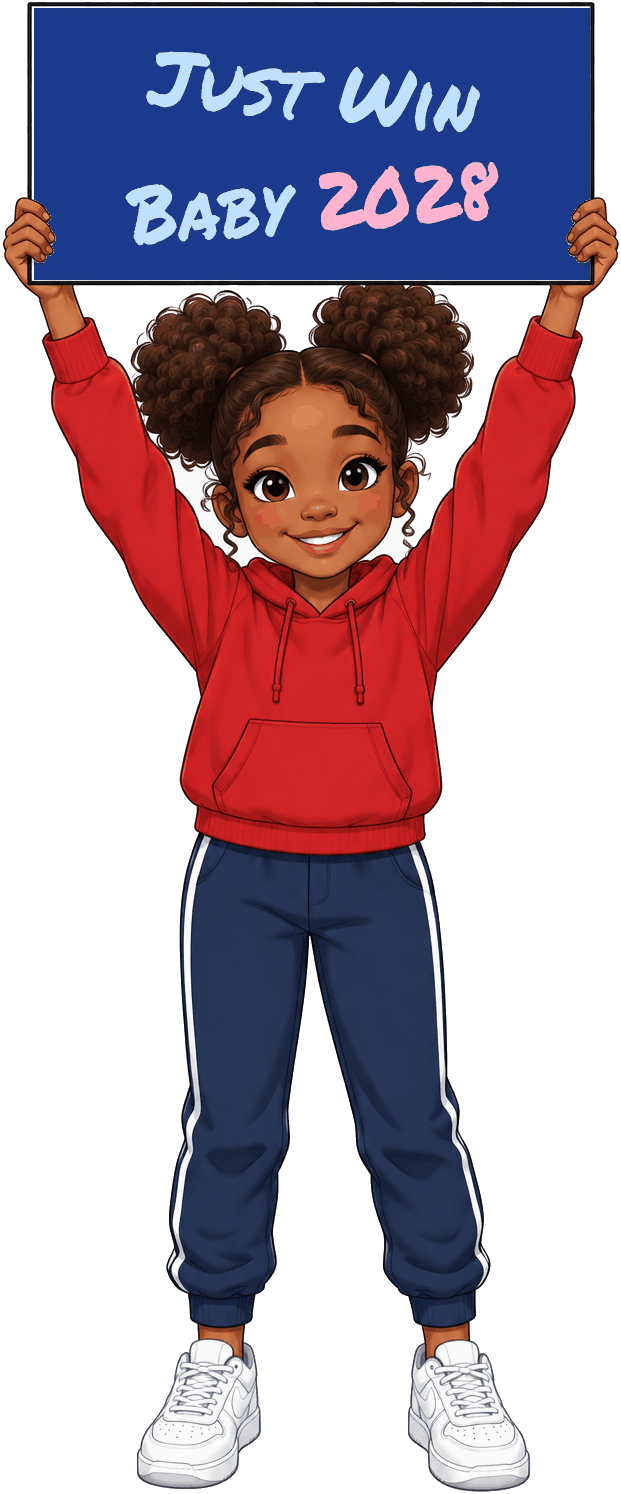
A Petition for a New American Opportunity
Education. Small Business. Senior Citizens. A Smaller National Deficit.
To the American People:
I am running for President of the United States of America with a vision for putting America's students, small businesses, and senior citizens at the center of a new opportunity.
I believe we can create a system in which people of different generations contribute their talents, local businesses receive valuable advertising, students and senior citizens have opportunities to earn money, and surplus earnings can help eliminate our national deficit.
My vision is built around four priorities:
1. EDUCATION — Give Students a Place to Stand with Their Peers and the Opportunity to Earn
Students from Pre-K through college graduation could have opportunities to create news content (within our non-harmful curriculum), including written articles, drawings, and other forms of original content.
All student will be eligible participants and could earn compensation in the form of college bonds/trade vouchers, helping them build toward future educational expenses.
The goal is to encourage creativity, develop communication skills, and connect learning with real-world opportunities.
Most importantly, connecting all the students creativity to one another.
2. SMALL BUSINESS — Help Local Businesses Reach Their Communities
Small businesses who participate, would receive free advertising within their local high school communities.
Students could help create promotional content by drawing business logos, writing articles about local industries, and singing or producing songs that promote businesses and their services.
This program would connect student creativity with local economic activity, giving businesses greater community visibility while providing students with practical creative experience.
3. SENIOR CITIZENS — Value Experience and Create New Opportunities
Participating senior citizens could contribute by recording their voices as they read student-created content. They could also review and approve recordings made by other participating seniors, subject to appropriate program guidelines.
Eligible participants could receive payment by check for their approved contributions.
This initiative would create opportunities for seniors to remain engaged, share their voices, and participate in a project that connects generations.
4. THE NATIONAL DEFICIT — Put Surplus Earnings to Work
After funding the designated education, small-business, and senior-citizen programs, any remaining eligible earnings would be directed toward reducing the national deficit.
The goal is to build a sustainable model in which opportunities for students, support for local businesses, and meaningful participation by seniors can work together while contributing to the nation's long-term financial health.
MY PETITION TO THE AMERICAN PEOPLE
I invite you to support this vision for America's future.
By signing this petition, I express my support for exploring and advancing a national initiative that connects education, small-business promotion, senior-citizen participation, and responsible efforts to reduce the national deficit.
I believe our country should continually look for ways to put creativity to work, build stronger communities, connect generations, and create opportunities for Americans of all ages.
Four priorities. One shared future. A new opportunity for America.
SIGN THE PETITION
Your signature expresses support for this vision and constitutes your agreement to put Peter J. Beauchemin on the ballot for President of the United States of America. It does not constitute an official election nomination petition or guarantee implementation of the proposed programs.
Why Peter J. Beauchemin Is a Viable Candidate for President
40 Years of Experience. More Than 7,500 Students. Over $3.5 Million Paid.
Leadership isn't just about making promises. It's about creating opportunities and helping people succeed.
Peter J. Beauchemin has mentored more than 7,500 students between the ages of 14 and 22, helping them earn more than $3.5 million.
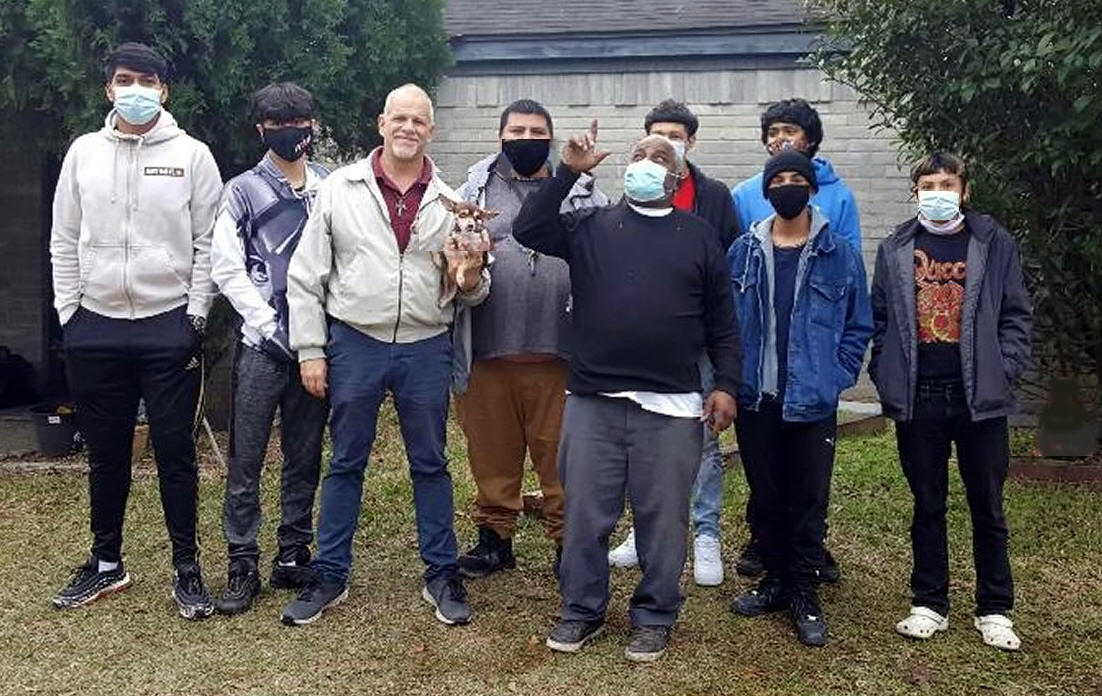
I Didn't Lead From an Office. I Led on the Streets.
For more than 40 years, my work with students took place on the streets, not in a corporate setting.
There was no executive office separating me from the people doing the work. The students and I were out there together, in the dirt, learning what it took to earn a dollar. I wasn't watching from a distance. I was part of the experience.
Everything started with me, and everything ended with me. I accepted the responsibility for making the operation work, for mentoring the students, and for helping them turn their effort into earnings.
Since 1987, I have been mentoring students
I saw young people as young as 14 earn more than $400 in a week in 20 hours. I saw what could happen when young people were given a real opportunity, practical guidance, and a chance to succeed through their own efforts.
This experience taught me lessons that cannot be learned from a boardroom alone. Leadership means being present. It means understanding the challenges people face because you have faced them alongside them. And it means accepting responsibility for the results.
I didn't just tell students how to work. I worked alongside them. I didn't just talk about opportunity. I helped create it.
That is the experience I bring to my candidacy for President of the United States.
I believe America's challenges deserve leaders who understand the realities of everyday life, who are willing to get their hands dirty, and who take responsibility for turning ideas into results.
I am asking the American people to consider a candidate whose experience was built on the streets, alongside thousands of young people—not behind a corporate desk.
Leadership isn't about how far above people you stand. It's about how willing you are to stand beside them.
That experience began in 1987, when Peter took his first job as a crew manager, leading students who sold subscriptions to The Houston Post.
There was no internet in those days. Newspapers were big business, and subscription sales provided an opportunity for young people to earn real money through hard work, determination, and sales skills.
These weren't just sales numbers. They represented young people discovering what they could accomplish when given an opportunity, the right guidance, and a chance to succeed.
Turning Experience Into Opportunity
In 1995, The Houston Post published its final newspaper. But Peter's commitment to student sales crews continued.
Over the years, the experience of managing and mentoring young people became more than a job. It became a long-term commitment to helping young people develop skills, earn money, and discover their potential.
In 2016, Peter took on a new role as owner of the operation, bringing the Houston Post sales program back under his ownership.
His experience spans changing economic conditions, generations of young people, and the evolution of an industry that once operated without the internet and later had to adapt to a dramatically different world.
What This Experience Brings to a Presidential Campaign
Peter believes that opportunity should be more than an idea discussed during an election. It should be something people can experience in their own lives.
His decades of work with students have given him firsthand experience with several important principles:
- Education and practical skills belong together. Young people benefit when they can apply what they learn to real-world opportunities.
- Earning money builds confidence. Creativity can teach communication, responsibility, persistence, and the connection between effort and results.
- Mentorship makes a difference. Young people can accomplish meaningful things when someone gives them guidance and an opportunity to prove themselves.
- Opportunity can benefit entire communities. Students who earn money gain experience, while the businesses and communities around them can benefit from their work.
These principles are consistent with Peter's proposed presidential priorities: expanding opportunities for students, helping small businesses, engaging senior citizens, and directing surplus program earnings toward reducing the national deficit.
A Different Kind of Qualification
Peter's candidacy is built in part on decades of practical experience working with people, managing sales operations, and helping thousands of young people earn money.
He is asking Americans to consider not only what a candidate says he wants to accomplish, but also what his life experience may contribute to the job.
Peter J. Beauchemin believes that experience deserves a place in the national conversation about America's future.
The question is not simply what a candidate promises to do. It's what his experience has taught him about getting things done.
Peter J. Beauchemin Can Help Education and Reduce the National Deficit at the Same Time

All Peter Needs Is the Opportunity to Get on the Stage and Speak.
I want to take what I have learned and apply it to a much bigger opportunity.
What if every public and private school in America could become a daily newspaper—and what if that idea could eventually expand around the world?
A Daily Newspaper in Every School
My proposal is to create a system that allows participating schools to publish daily news content created by students. That content could include articles, photographs, illustrations, school news, community stories, and other original material. But, most importantly, Peter's (patent-pending) business curriculum.
Local businesses could purchase advertising, readers could purchase subscriptions, and the underlying website platform could be licensed to organizations in other countries.
Students would have opportunities to develop writing, journalism, art, photography, communication, and business skills while contributing to a real publishing operation.
Local businesses could reach their communities through school-based publications for practically no cost, and schools could become centers of student creativity and local information.
This is about connecting education with practical experience and creating an economic model that could support opportunities for students.
Imagine the Global Possibilities
The long-term financial vision is ambitious.
If a worldwide network of school newspapers and licensed publishing platforms could generate an average of $3 billion per day in revenue, the annual total would be:
$3 billion × 365 days = $1.095 trillion per year.
That is more than $1 trillion in annual gross revenue.
This figure is a long-term target for the global concept, not a current revenue result or a proven forecast. Achieving it would require extensive international participation, substantial advertising and subscription demand, licensing agreements, and a sustainable operating model.
The money available to reduce the national deficit would depend on operating costs, payments to participants, reinvestment, taxes, and the portion of net proceeds legally available for that purpose.
A Long-Term Vision for America's Debt
My proposal is to direct eligible surplus earnings toward reducing the United States national deficit and, ultimately, the national debt.
These are related but different financial measures: the deficit is the shortfall between government revenue and spending over a period, while the debt is the accumulated amount the government owes.
If a global publishing network could generate substantial, sustained net earnings and a portion of those earnings could legally be dedicated to federal debt reduction, it could become one potential contributor to America's long-term fiscal health.
Whether it could eliminate the national debt in less than 50 years would depend on actual net revenue, the amount contributed each year, interest costs, future federal deficits, and other economic conditions.
That is why I want the opportunity to present the complete proposal, explain the business model, and invite qualified people to examine how it could work.
Give Me the Opportunity to Be Heard
I am not asking Americans to believe that every projected dollar is guaranteed. I am asking them to consider the idea, examine its possibilities, and give me the opportunity to explain how my decades of experience with student workers could inform a new approach to education and economic opportunity.
I have spent years working directly with young people, helping them earn money and learn the value of effort, responsibility, and practical experience.
Now, I want to bring that experience to a national conversation.
Education can create opportunity. Opportunity can generate revenue. And a well-designed financial model could help turn that revenue into a contribution toward reducing America's debt.
I believe this idea deserves a hearing.
Peter J. Beauchemin for President of the United States of America.
WHY NOT FIX ALL OF OUR PROBLEMS AT THE SAME TIME?

Every School. Every Student. Every Day.
Imagine every public and private school in America publishing its own daily newspaper. And now imagine if they were all connected together.
Not once a month. Not once a week. Every single school day.
It's not more work for a teacher or school staff. It's the answer to all of our problems. What I'm asking can be completed within 1 hour, across the entire nation.
STUDENTS WRITE AND DRAW. FACULTY EDIT AND PUBLISH.
Students would write articles, draw illustrations, and develop original content every day.
Faculty members would edit and publish the newspaper as part of the educational program.
No additional payment for producing the newspaper. The work becomes part of the curriculum.
Why create an entirely new curriculum when we can incorporate the newspaper into what schools are already teaching?
Reading, writing, spelling, grammar, mathematics, history, art, photography, research, and communication could all become part of a daily publishing experience. Let's not forget, LOCAL BUSSINESSES. They are who America IS.
Students would have a reason to write. They would have an audience. They would see their work published and shared with their families and communities.
Best of all. The students would compete against each other.
FAMILIES READ FOR FREE!
This is one of the most important parts of my proposal.
Every family would be able to read their student's entire school newspaper absolutely FREE.
Parents, grandparents, brothers, sisters, and other family members could follow what students are creating and learning.
Families wouldn't have to purchase a subscription to see their children's schoolwork published.
The educational content belongs to the school community. Access for families is FREE.
HOW DOES THE NEWSPAPER GENERATE REVENUE?
If families receive free access, how does the system generate money?
Through opportunities such as:
- Additional paid subscriptions and services beyond free family access.
- Website licensing to participating organizations in other countries.
- Other appropriate commercial partnerships.
Students create the content. Faculty members edit and publish it. Families read it for free. Local businesses receive advertising opportunities free.
The publishing platform creates the potential for revenue without charging families to see their students' work.
A NEW WAY TO THINK ABOUT EDUCATION
Why should students spend their school days learning subjects independently when those same subjects could contribute to something they create together?
A daily newspaper could give students a practical reason to develop their skills.
It could encourage participation, creativity, teamwork, responsibility, and pride in their accomplishments.
It could also give local businesses a meaningful connection to their communities.
WHY NOT FIX ALL OF OUR PROBLEMS AT THE SAME TIME?
My proposal brings several national priorities together:
- EDUCATION: Make daily student-created publishing part of the learning experience.
- FAMILIES: Give families free access to their students' school newspapers.
- SMALL BUSINESS: Create local advertising opportunities.
- STUDENT OPPORTUNITY: Connect students with additional creative and earning opportunities through eligible programs.
- SENIOR CITIZENS: Create opportunities for seniors to participate in reading and recording student content.
- NATIONAL DEBT: Direct eligible surplus earnings toward reducing the national debt.
These ideas are connected. They are designed to work together.
I have spent more than 40 years working with students. I have seen what happens when young people are given responsibility, encouragement, and an opportunity to accomplish something meaningful.
I believe we can take that experience and apply it to education on a much larger scale.
Why settle for fixing one problem when we can explore a system designed to address several problems at the same time?
Peter J. Beauchemin
All I need is the opportunity to get on the stage and explain the plan.
TEACHING CAPITALISM ONE WORD AT A TIME
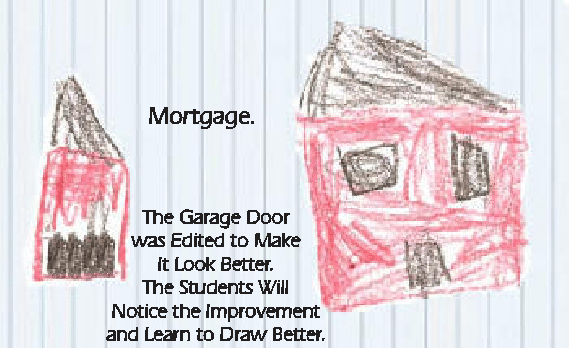
Imagine What Students Around the World Could Create!
What if elementary school students could learn about America's business economy while developing their reading, writing, research, and language skills?
My proposal is to have students create educational content about the more than 800 small-business industries operating in the United States.
Students would learn about different industries, what businesses sell, what services they provide, how they operate, and why they are important to our economy.
This is an opportunity to introduce children to capitalism at an early age.
START WITH ONE WORD. BUILD FROM THERE.
Every grade level would have age-appropriate writing expectations.
- Pre-K: Write one word.
- Kindergarten: Write two words.
- 1st Grade: Write one complete sentence.
- 2nd Grade: Write multiple sentences.
- 3rd Grade: Write a short paragraph.
- 4th Grade: Write a longer description of an industry.
- 5th Grade: Research an industry and write a short article.
As students advance through school, their contributions can become more detailed and sophisticated.
The expectations would grow with their abilities.
WHERE DOES THE INFORMATION COME FROM?
Students would use a Wikipedia-type educational reference source containing information about America's business industries and a filtered clip art image generator.
They would learn to identify facts, understand what they are reading, and create their own original sentences.
Rather than simply copying information, students would practice explaining what they have learned in their own words.
Teachers would help verify facts, edit submissions, and publish appropriate content.
LEARNING TWO LANGUAGES AT THE SAME TIME
Here's another exciting possibility.
Articles created by Pre-K, Kindergarten, and first-grade students could be translated into Spanish.
Students could read the English version and the Spanish version, learning to understand the same words and sentences in two languages.
The process could work both ways.
Children who speak Spanish at home could use the website to strengthen their English. Children who speak English could develop their Spanish vocabulary.
Parents could participate, too.
For families who don't speak English, translated educational content could make it easier to follow their children's work and participate in their learning.
A WORLDWIDE CLASSROOM
Why limit this educational opportunity to students in the United States?
Students around the world could contribute to and learn from the same publishing platform.
Imagine children in different countries researching the same industries, comparing businesses, sharing ideas, and learning from one another.
The website could offer multilingual access and seek lawful distribution opportunities in countries with internet restrictions. Availability would depend on local laws and platform access.
The educational mission should be to make knowledge accessible across borders.
WHAT ABOUT SUMMER VACATION AND WEEKENDS?
Why should student creativity have to stop when the school day ends?
Students could voluntarily continue contributing during weekends and summer vacations.
Imagine students collaborating with their peers, researching industries, writing articles, and developing new skills throughout the year.
There would be opportunities to spend time creating something educational and meaningful rather than relying exclusively on video games and other screen entertainment.
Participation would remain voluntary, with age-appropriate time limits and parental involvement.
A WORLDWIDE COLLECTION OF STUDENT KNOWLEDGE
Every student contribution becomes another piece of a growing educational resource.
Over time, the website could become a searchable collection of student-created educational content about business, industries, economics, and communities around the world.
Students would have an opportunity to see their work published, learn from their peers, and build skills that could benefit them throughout their lives.
SEE MORE EXAMPLES
I invite you to visit:
HouPost.com
There you can explore more examples of the educational publishing concept and see how student-created content can become part of a much larger idea.
WHY NOT START TEACHING CAPITALISM EARLY?
Children don't have to wait until college to learn how businesses work.
They can start by learning what a business does, what it sells, who it serves, and how it contributes to the economy.
One word in Pre-K can become one sentence in first grade, one paragraph in elementary school, and eventually a complete article.
One student. One contribution. One day at a time.
Imagine what millions of students could create together.
Peter J. Beauchemin
A new opportunity for education, one word at a time.
THE STUDENTS CAN READ AND WRITE THEIR WAY OUT OF COLLECTIVE DEBT
Follow Me.
Before I explain my vision for America's debt reduction, I want to tell you a story about my father.
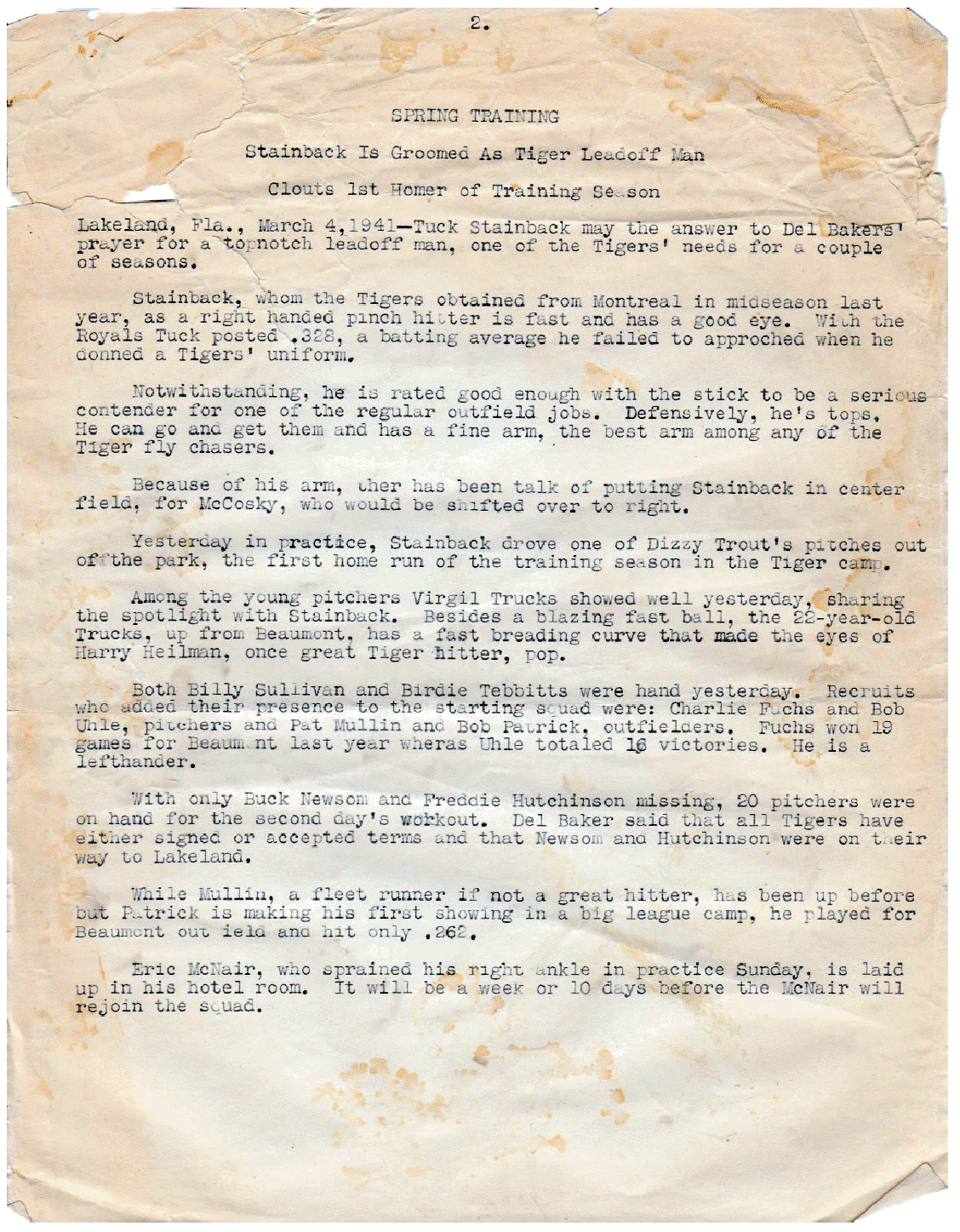
A 200-Page Novel at 17 Years Old
By the spring of 1941, my father had typed a 200-page novel. He was only 17 years old.
On the bottom of this particular stanza, you will find the first page of his novel.
How did a 17-year-old accomplish something like that?
There were two reasons.
REASON NUMBER ONE: HE HAD TIME.
The Stock Market Crash of 1929 had a profound effect on his childhood and the opportunities available to his family.
He grew up in the forest of North Detroit, Michigan. He didn't have the distractions that occupy so much of our attention today.
On his 15th birthday, he was given a typewriter.
He took advantage of it.
By the time he was 17, he could almost type the news right off the radio.
Think about that for a moment.
A teenager developed the ability to listen, understand, and type the news with extraordinary speed.
REASON NUMBER TWO: HE WASN'T THE ONLY ONE.
Thousands of other students could type the news, too.
But here's the most important part:
THEY COMPETED AGAINST EACH OTHER IN WRITING.
Students were motivated to improve. They had other students to measure themselves against. Writing wasn't just an assignment. It was an opportunity to demonstrate what they could accomplish.
Competition gave them a reason to practice, improve, and keep going.
NOW, LET ME CONNECT THE DOTS.
What if we brought that same spirit of competition into today's education system?
What if students competed in reading, writing, research, reporting, and creating original content?
What if every school had a daily newspaper?
What if students could contribute every school day, compare their work with their peers, and watch their abilities improve over time?
What if students from different schools and countries could participate in the same educational publishing network?
We already have the technology to make worldwide publishing possible.
We don't need to invent a new subject for every student. We can incorporate writing, reading, research, history, economics, art, and language learning into a daily newspaper curriculum.
I'm not suggesting that student writing alone will eliminate America's debt. I'm proposing that education and a sustainable publishing business could work together to help address several national challenges.
ARE YOU FOLLOWING ME?
My father typed a 200-page novel at 17 years old.
He didn't have the technology we have today. He had a typewriter, a radio, determination, and a generation of students who competed against one another in writing.
Imagine what today's students could accomplish with the technology available to them.
What could millions of students create if we gave them a reason to read, a reason to write, and an opportunity to compete?
I believe we should find out.
The students can read and write their way toward a better future.
THE NATIONAL DEBT IS PAID ON TIME, EVERY TIME.
It's Going to Take a Business Idea to Make It Stop.
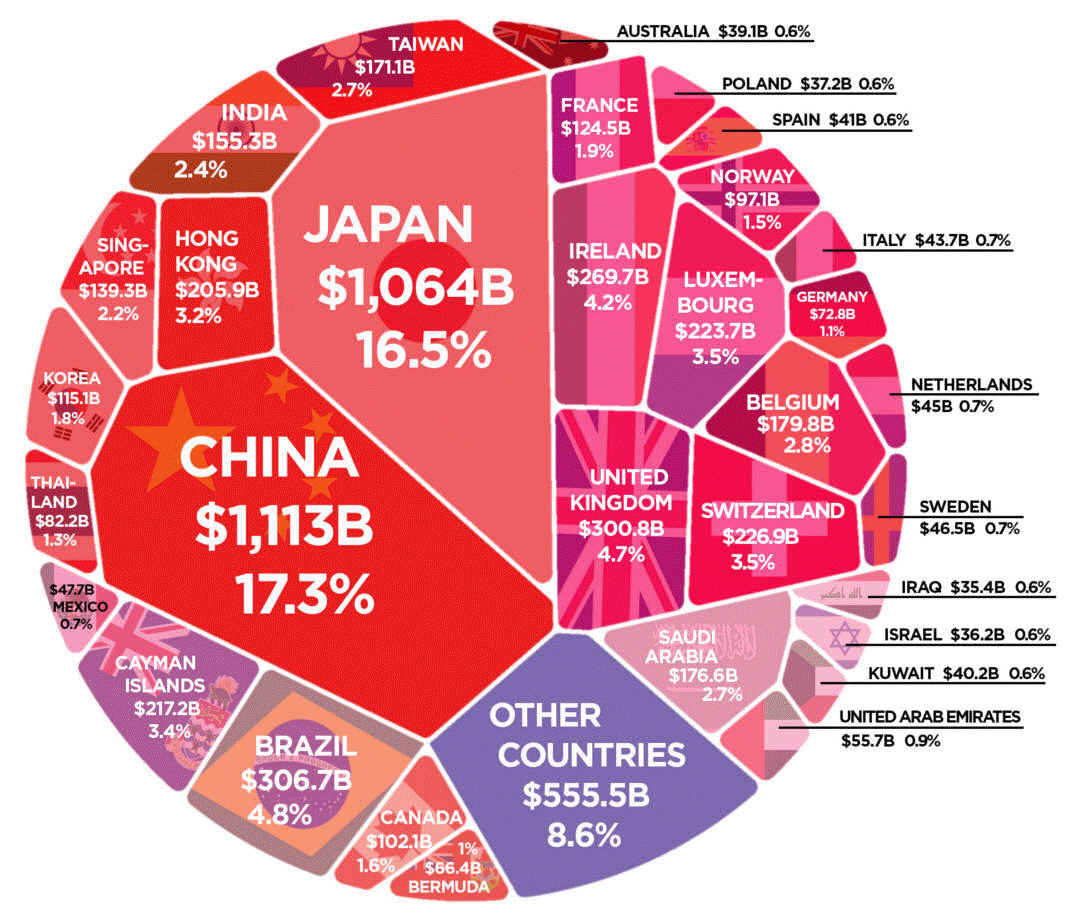
What if the answer to America's national debt isn't just spending less, but creating something new that earns more?
Some people might think solving the national debt is impossible.
The debt continues to grow. Government spending continues. Interest payments continue. And every year, the responsibility gets passed along to another generation.
What if we're looking at the problem from the wrong direction?
What if the answer isn't simply asking the government to spend less?
What if we could create an entirely new business opportunity that generates revenue on a scale large enough to make a meaningful contribution toward reducing the national debt?
EDUCATING STUDENTS AND PAYING OUR DEBT. THAT'S THE END GAME.
My proposal starts with education.
Imagine every public and private school becoming a daily newspaper.
Students write articles, draw illustrations, research American industries, and create educational content.
Faculty members edit and publish the newspaper as part of the existing curriculum.
Families read their students' entire school newspaper absolutely free.
Small businesses have opportunities to advertise. Additional subscriptions and international website licensing create potential sources of revenue.
Students develop practical skills while participating in a worldwide publishing network.
The business generates revenue, and eligible surplus earnings could be directed toward reducing America's national debt.
WHY DOES THIS HAVE TO BE IMPOSSIBLE?
Politicians have the responsibility of managing government spending, establishing budgets, and making decisions about the nation's finances.
But what if an ordinary American citizen brings forward a business idea that creates an entirely new source of revenue?
What if that idea connects millions of students, thousands of schools, small businesses, families, and international publishing partners?
Why shouldn't that idea at least have the opportunity to be presented and examined?
All I Need Is a Platform and the Time to Explain
I don't need a politician to explain my idea for me. I need a platform, the opportunity to speak, and enough time to explain how everything works.
Do I believe running for President is the right platform to bring this idea to America? I do.
I'm not running to be disrespectful to politicians. I'm running because I believe an ordinary citizen can approach a problem from a different direction.
Politicians often debate spending, budgets, and government programs. Citizens, especially those facing difficult circumstances, often think about survival: how to solve a problem with what they have in front of them.
My idea came from one of those moments.
My 8-year-old stepdaughter was trying to quit school because she was being bullied. Then one day, something happened that changed the way she looked at school. A high school senior read to her in class, and my stepdaughter came home wanting to be just like that senior.
I witnessed an aha moment.
A child who had been thinking about leaving school suddenly had someone to look up to. That moment stayed with me. For the next three decades, I've been trying to turn what I witnessed into an American government policy.
Later that same day, in the fall of 1993, I was watching a news story about President Bill Clinton. I heard that the national debt was approximately $4.4 trillion. I began thinking about the education experience I had just witnessed and whether the same kind of idea could help address America's growing debt.
Today, the debt is much larger. My question has remained the same: What if we could create an education system that gives students meaningful work, teaches them to read and write, supports small businesses, provides opportunities for senior citizens, and directs any remaining earnings toward reducing the national debt?
That is the idea I want to explain.
I understand that an idea of this size deserves questions. It deserves examination, financial analysis, and serious discussion about how it would work. I'm prepared to explain the proposal and let people challenge it.
I'm not asking anyone to accept it without hearing the details.
Give me the platform. Give me the time to explain. Then let the voters decide.
— Peter J. Beauchemin
SIGN THE PETITION
Your signature expresses support for this vision and constitutes your agreement to put Peter J. Beauchemin on the ballot for President of the United States of America. It does not constitute an official election nomination petition or guarantee implementation of the proposed programs.